
About
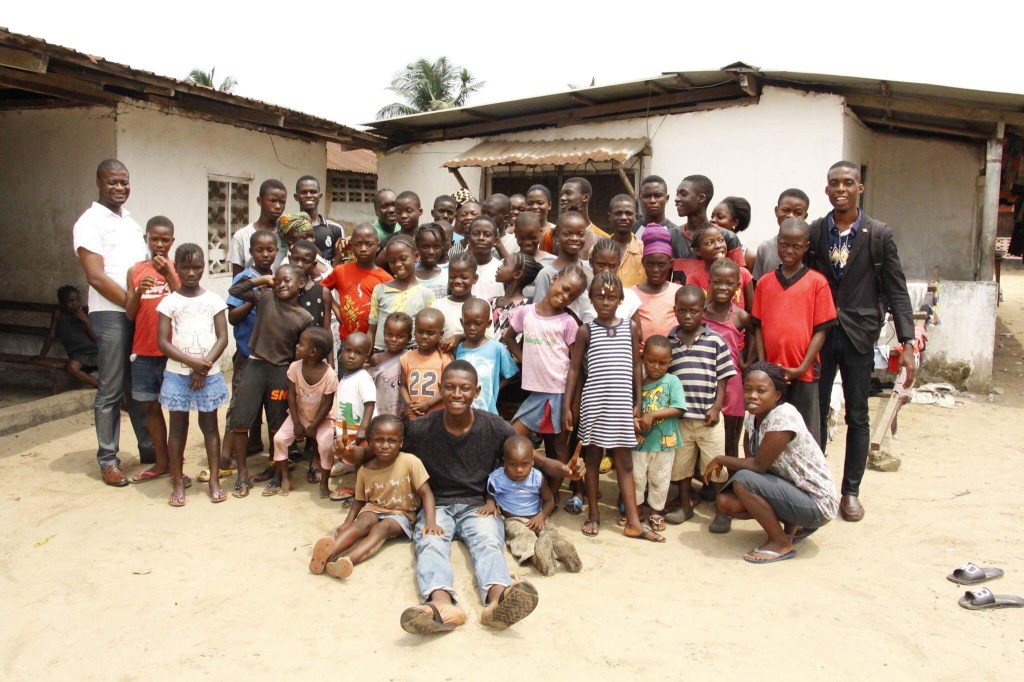
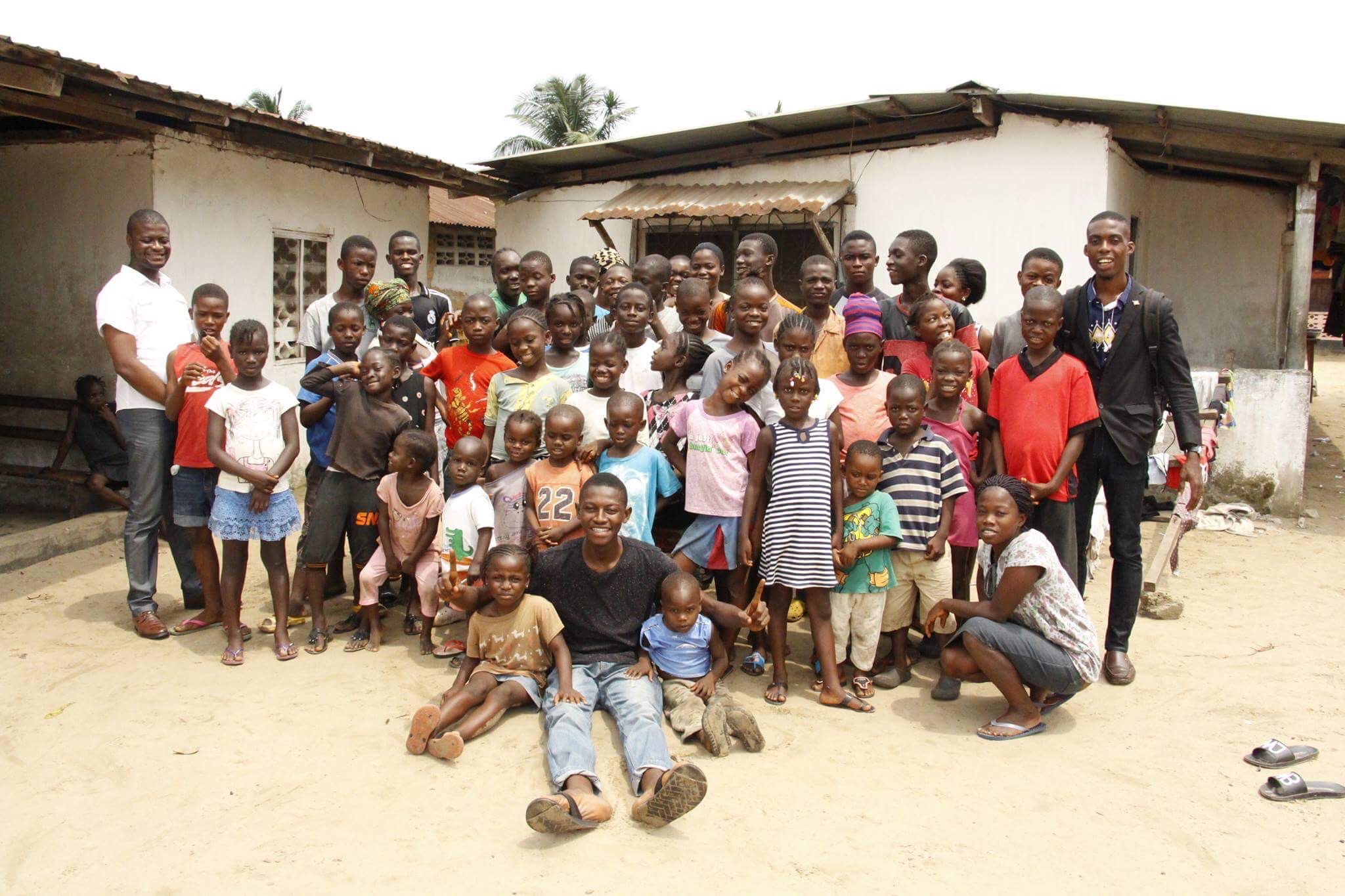
Abraham M. Keita is a Liberian rights activist and campaigner for justice. Starting only when he was about 7 years old, his work focuses on violence against children. He is known mainly for fighting against sexual violence and demanding justice for its victims. In 2015, Keita was awarded the International Children’s Peace Prize for his numerous campaigns for children’s rights. Since then, his advocacy has gained a global platform as he continues to champion a better world for children.
For more than a decade of his life, Keita organized and was invited to peaceful demonstrations, lobbied the Liberian government, and championed free primary education for all children. In spite of his young
age, Keita’s activism has already had major impacts. In 2012, Liberia became one of the first African nations to pass comprehensive legislation protecting children’s rights — due to pressure asserted by Keita’s persistent lobbying and peace marches at the national legislature. In 2015, his efforts were publicly honored when he was awarded the International Children’s Peace Prize – one of the top international prizes for peace activists. Since 2017, Keita has been a One Young World-European Commission Peace Ambassador, working with thousands of young people from around the world in their respective causes.
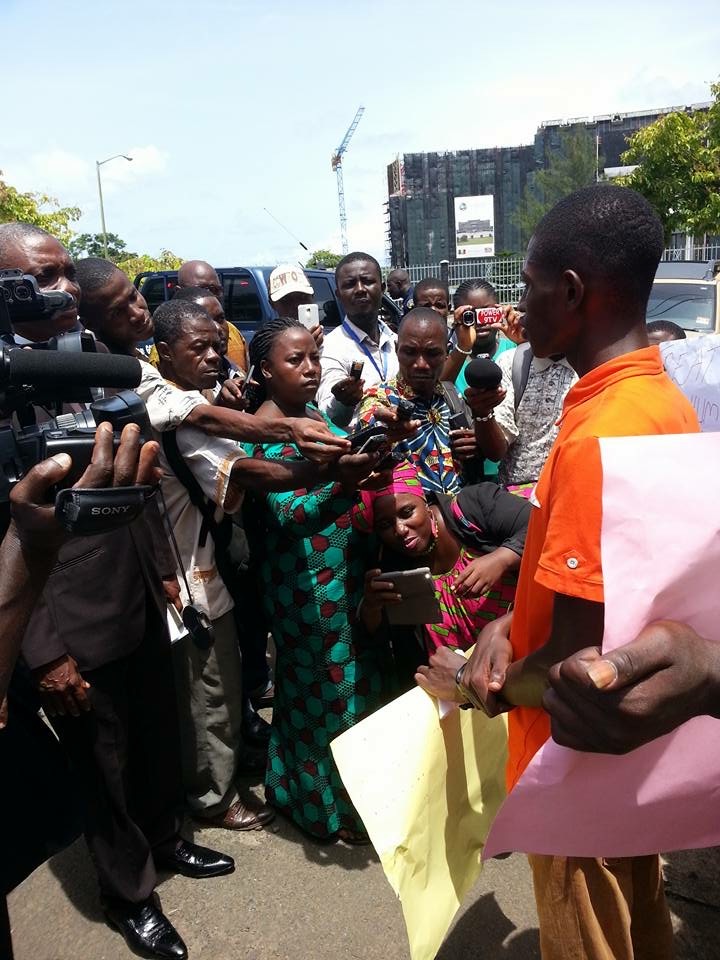
As a young person, Keita is slowly changing his country and inspiring activists around the world. Despite a childhood filled with violence and poverty, he grew up to become a leading advocate for peace and children’s rights. In July 2016, former UN Secretary General Ban Ki-moon lauded Keita’s activism in a speech to launch the Global Partnership to End Violence Against Children at the United Nations headquarters: “He is organizing Liberians for children’s rights – and inspiring people across the globe.
Abraham once said he is fighting for a world where every child gets justice; every child is free from violence; and every child is empowered. I share this vision.”
Keita is still engaged in his change-making activities in Liberia and around the world, and inspiring millions of people. He serves as a Youth Board Member of the State of Youth, an online platform nation for and by youth, empowered by KidsRights Foundation and Facebook to share the stories and voices of young people changing the world. Currently, Keita studies abroad at Yale University in the United States of America. However, through writing, Keita continues to expose issues of bad governance, corruption, injustice, and disregard for the rule of law that is still plaguing his country.
EARLY LIFE
Keita was born in Monrovia during the brutal 14-year Liberian civil war. During his early years, Liberia had ripped itself apart, using child soldiers on an unprecedented scale. His father was killed by rebels while driving for a humanitarian relief organization, leaving the barely 3-year-old boy, his mother and siblings to fight for their survival in Monrovia’s largest slum, West Point. His father, another Liberian, and a Norwegian were ambushed as they were distributing food and materials to internally-displaced people during the war.
Life in West Point was tormenting but Keita managed to go to school. Though the civil war ended in late 2003, his impoverished neighborhood and other communities continued to wrestle daily with crimes and violence. In 2007, a 13-year-old girl was raped and strangled to death by her foster parents in Monrovia. It was an incident that shocked and disturbed him to the point where he felt he had to stand up and do something. His hunger for justice was born. Outraged, he joined several protests to demand justice for the victim. Making an impression on young people, Keita was invited to join the Liberian Children’s Parliament.
IMPACT
From an early age, Keita started leading peace marches and protests, organizing petitions, and community actions for children’s rights. Due to his persistent activism, in 2012 Liberia became one of the first African nations to pass legislation protecting children’s rights, the Children’s Law. He has also lobbied for children’s participation and education to be funded directly from the national budget.
Keita’s national prominence was further deepened in 2014 during the Ebola outbreak in West Africa. Thanks in part to his aggressive but peaceful activism, then Liberian president, Ellen Johnson-Sirleaf, issued an apology for the death of a 15-year-old boy who was shot and killed by government troops while participating in a peaceful protest for food and water when West Point was placed under lockdown by the Liberian government. The shooting sparked public outrage throughout the community, and Keita channeled that outrage into effective action. He organized and led several peaceful marches of young people, demanding that the government take responsibility for the death. A national debate soon swept the country, and popular support began to build in favor of the young activist.
DEATH THREATS & ARREST
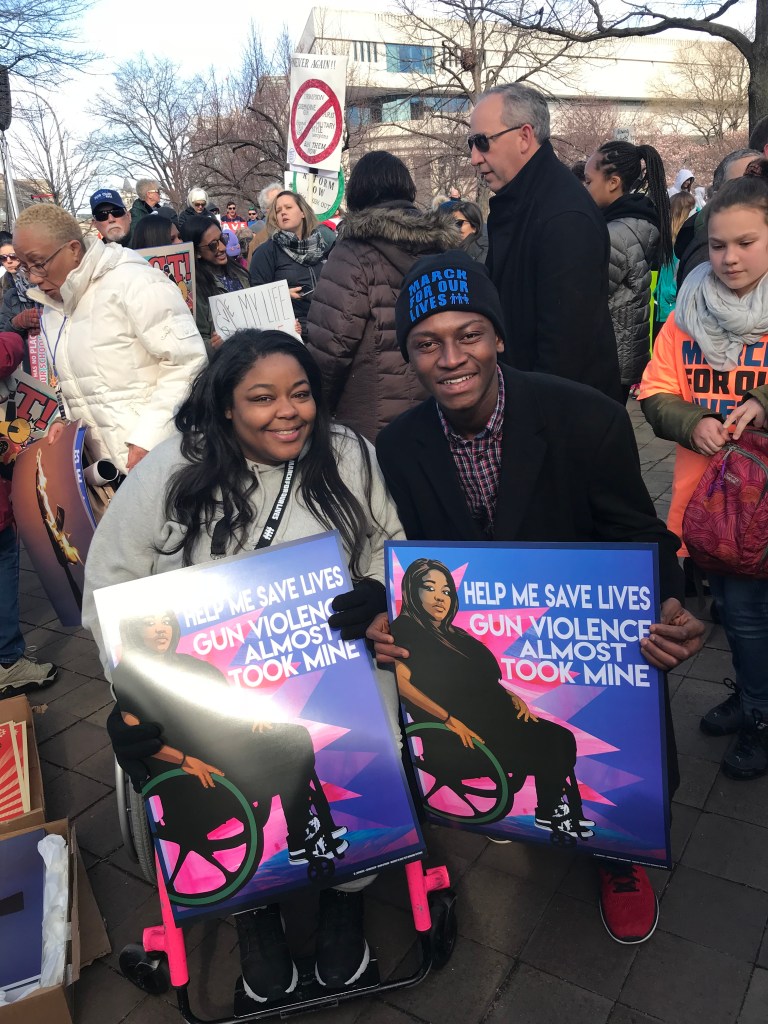
Given his unwavering stance against bad governance, and the rich and the powerful who always seek to circumvent justice and the rule of law, Keita has often been the target of threats. Whenever he would organize protests and public events, the government would deploy armed state security officers to instill fear in the young activist and other campaigners. But Keita remains persistent in his quest.
On May 23, 2017, seventeen-years old Keita led 9 young protesters to demand government intervention and independent investigations after media reports revealed that a lawmaker, named Morais Waylee, had raped and impregnated a 13-year-old girl. The girl was diagnosed with a fistula after giving birth to a child. Never allowing injustice to go unpunished, Keita called a meeting of his colleagues and civil society organizations. But it appeared that the entire country was afraid to take a stand on such a heinous offense, given that the rapist was a powerful representative and high-profile member of the ruling party of the Liberian leader Ellen Johnson Sirleaf. Representative Waylee was also from a tribe that most
Liberian ethnic groups fear, given its atrocious history in Liberia’s bloody civil war.
However, Keita was determined to get justice. He convinced nine other young people to join the protest, and it was captured by every newspaper, radio, and TV station throughout Liberia, and in some parts of Africa. By the time Keita had concluded reading the statement calling for the prosecution of the legislator, Waylee and his goons were waiting to attack the young activists. Keita later reported, with pictorial evidence, on his Facebook page that two vehicles chased him and his colleagues, but they managed to escape. Keita received death-threatening messages through his public Facebook page and anonymous calls from individuals who claimed to have a link to the representative, and warned that if he continued his fight for justice, he would be killed.
To find a way to silence Keita and deter his friends, the government and the lawmaker filed a criminal lawsuit against the teenager for criminal coercion at the Monrovia City Court. “I do not understand the rationale behind this lawsuit and why should someone be sued for simply leading a peaceful march regarding a rape case”, Keita observed.
The presiding judge, Kennedy Peabody, issued an arrest order for the living body of the young activist by the Liberian National Police. After a few days, on May 29, Keita together with his legal team appeared at
the court to answer the charge of criminal coercion. To the contrary and to the dismay of the thousands of Liberians who had gathered to witness the proceedings, the court further charged Keita with contempt of court, stating that he had previously disobeyed court orders served him. Keita argued that neither a writ of summon nor any piece of paper was ever served him from or by the court.
Adhering to the words of his defense team, Keita pleaded with the judge to drop the contempt charge, which he did, so as to move on to the previous charge (criminal coercion) – the sole purpose for which
Keita and his lawyers had come to court. Nevertheless, the public understood that the case had political undertone and that the two charges were basically intended to “scare the young man so that he can
back-off from his advocacy against the lawmaker”, the FrontPage Africa newspaper observed in one of its editorials.
All charges against Keita were eventually dropped as they were baseless. But the use of scary tactics to frighten the young activist only increases his hunger for justice and human rights. Since then, Keita has organized a series of events across Liberia to mobilize Liberians, especially young boys and men, to stand up for women and girls. He believes that if every male truly respects and honors his daughter, sister, or mother and treats every woman and girl the same way, then there will be no violence against women and girls at all.

 Abraham M. Keita